It’s probably no surprise that I read a lot for research and teaching, but I also try to make time every day to read for pleasure as well. Sometimes the two even overlap! Here’s what I’ve enjoyed reading lately, and what I’m planning to read next.
What I’ve Read
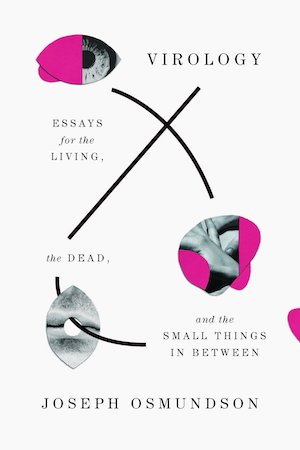
Joseph Osmundson, Virology
I didn’t know quite what to expect when I picked up Virology: Essays for the Living, the Dead, and the Small Things in Between over the summer, but I know I didn’t expect this book to speak to me in the way that it did. Osmundson uses queer theory to give us a new way of thinking about viruses and viral epidemics, one that rejects metaphors of war and embraces the forms of connection and community that promise to make us truly resilient. This is also a deeply personal book that spoke to my own experience of growing up as a gay man in the shadow of AIDS, and what that has meant for the ways that I understand my own sexuality. And if you’ve missed Osmundson’s writing on monkeypox, which extends much of what he has to say in Virology, that’s worth checking out as well.
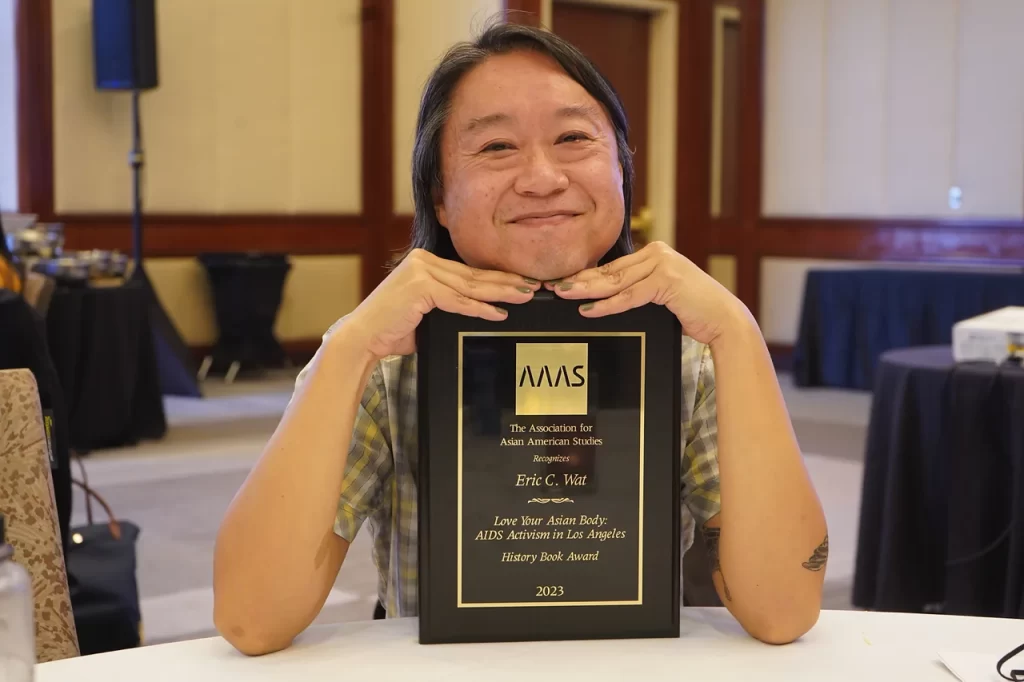
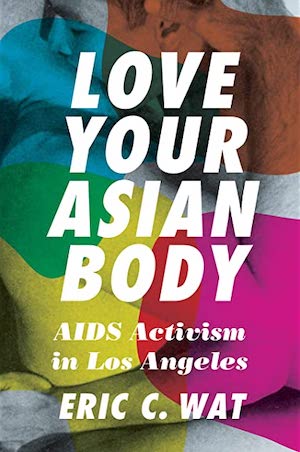
Eric Wat, Love Your Asian Body
While the last decade or so has brought lots of books and films about the history of AIDS (Theodore Kerr and Alexandra Juhasz call this the “AIDS crisis revisitation”—more on that below), far too little of that has focused on the experiences and activism of communities of color in the epidemic—this is part of the reason that I wrote To Make the Wounded Whole: The African American Struggle against HIV/AIDS. And within that silence, there has been almost no literature on Asian American responses to AIDS. That’s why I was thrilled to see Love Your Asian Body: AIDS Activism in Los Angeles hit bookstore shelves. Wat’s book is not just conceptually rich, it’s also full of the stories of bold activists who made it their mission to provide life-saving services and care to a community that was often overlooked in responses to AIDS. This is an eminently readable book that I could see assigning to undergraduate students in all kinds of courses.
P. Djèlí Clark, Ring Shout
I love genre fiction, especially when it deals in themes of race and sexuality, and Ring Shout did not disappoint. Clark takes the story of the second Klan in Macon, Georgia and gives it a horror twist. The main characters are an avenging band of Black freedom fighters, including a stone butch World War I veteran, who wield both magic and military skill to fight the hooded forces of hatred. I found it to be a quick read, in part because it’s on the shorter side as a novella, but also because I couldn’t put it down. I liked this a lot better than the book version of Lovecraft Country, which felt like a story about Black people written for a white audience. Ring Shout ends with the promise of a sequel that I hope we get to see, and I would love to see this book adapted for TV as well.
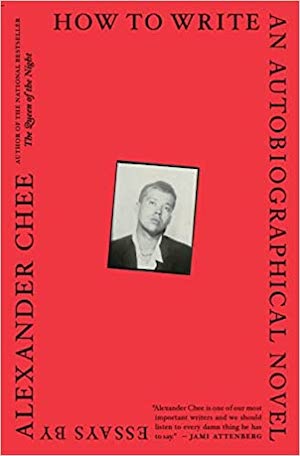
Alexander Chee, How to Write an Autobiographical Novel
I knew of Chee as an essayist and a veteran of ACT UP, thanks to a piece he wrote in June 2020 about Covid and the history of AIDS, but it was a mention in Virology that led me pick up How to Write an Autobiographical Novel. I’m glad I did. Chee relates the sense of outside- and inbetweenness that he felt both living in Seoul and Maine as the mixed-race child of a Korean father and Anglo mother, and as a gay adolescent in the 1970s and 80s. He writes quite a bit about his time spent in New York, but it’s his stories about San Francisco in the late 1980s, and his anecdote about buying a dead man’s boots at a sidewalk sale, that will stick with me.
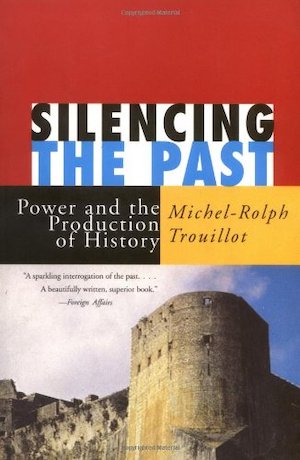
Michel-Rolph Trouillot, Silencing the Past
I’m teaching our department’s graduate seminar on History, Memory & the Public this semester and, as before, we started the course with Trouillot. I wouldn’t say that the book is dense, but it can be abstract—after all, Trouillot was articulating a theory of how historical memory works. Some of his references—to Fukuyama, to deconstruction—seem very much of the moment in which he was writing. I also don’t think his criticism of academic historians as detached from pressing political conversations of the day rings quite as true anymore but, as I pointed out to the students in my class, that’s probably because several generations of historians have been trained over the past twenty-five years in part by reading Trouillot.
What’s Up Next
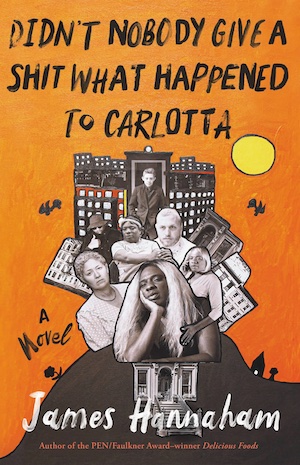
James Hannaham, Didn’t Nobody Give a Shit What Happened to Carlotta
I just started reading Didn’t Nobody Give a Shit What Happened to Carlotta, a novel about a “Blatina” trans woman from Brooklyn who gets out of prison after twenty years and returns home to confront her family and a neighborhood (Fort Greene) that has changed dramatically in her absence.
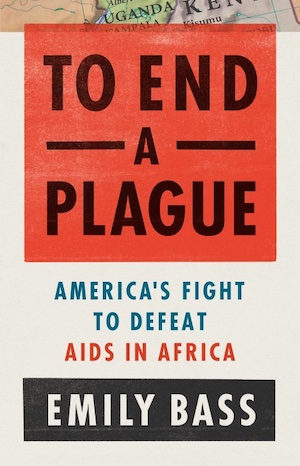
Emily Bass, To End a Plague
I’ve been meaning to read To End a Plague: America’s Fight to Defeat AIDS in Africa because it intersects with the story about ACT UP Philadelphia and the global AIDS movement that I tell in To Make the Wounded Whole. I’m excited to see what I learn, and hopefully to get some ideas for future projects!